Zdraviliška cesta 6, Laško
Spa House
The splendour of a historic spa, elegantly woven together with the natural power of Laško's thermal waters.
LOCATION STORY
Spa House
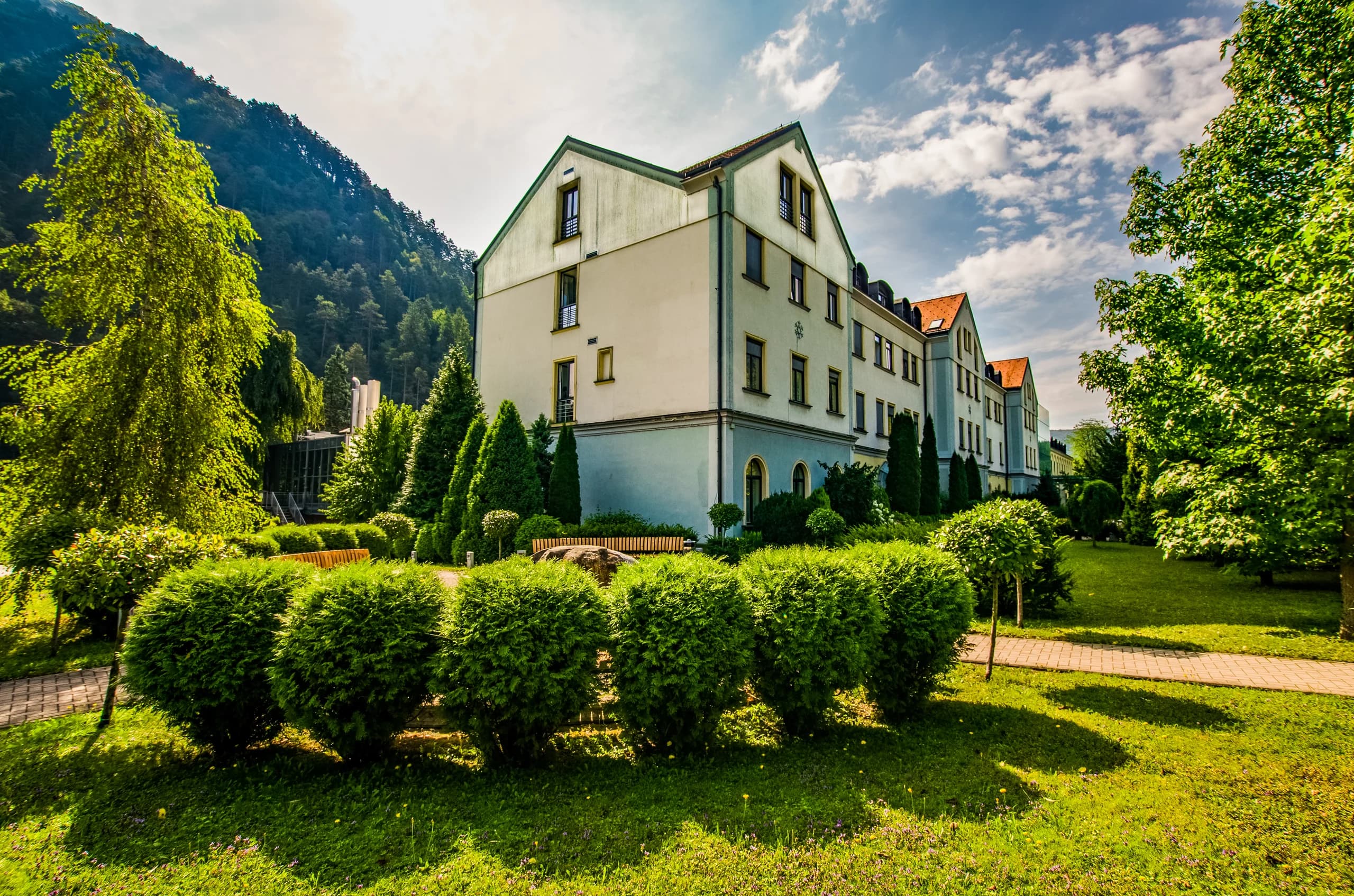
The story of the Spa House is inseparably linked with the discovery of the thermal springs. Although the springs had been known for a very long time — their beneficial effects are said to have been used in Laško as early as Roman times — the man credited with rediscovering them was civil engineer Leopold Rödl. During renovation work on the railway bridge across the Rečica stream, he noticed something unusual on the bank of the Savinja: in winter neither snow nor ice remained there, and a permanent veil of mist could be seen. When he asked about it, he learned that warm water had emerged there since time immemorial. With his technical knowledge, the great effort of the workers and considerable financial resources, by the end of August 1852 he managed to locate the main spring and later successfully capture it. At the same time he built a pool and the Spa House with 13 apartments, all finished and furnished with refined taste. The baths officially opened on 1 May 1854. The opening, however, also marked the beginning of the end for their founder, because Leopold Rödl had spent his entire fortune on research and construction. Thanks to the reputation he clearly enjoyed in imperial circles, at the end of 1855 he obtained permission for the spa to bear the prestigious name ‘Kaiser Franz Josephs-Bad’. Soon afterwards the spa was bought at auction by the respected professor of economics Dr Lorenz Stein.
Before reopening the baths under the emperor's name in 1858, Stein thoroughly renovated the spa in a modern style and surrounded it with trees and flower beds. The two-storey Spa House looked onto the park and railway on one side, and the Savinja River and Hum hill on the other. On the ground floor were a large thermal pool and eight elegant private baths which, thanks to a then-modern cooling system, could be cooled to 24 °C. The ground floor also contained 11 smaller rooms, while the first and second floors offered another 70 elegantly furnished rooms of different sizes. There was a billiard room, a reading room and, on the first floor, even a telegraph office. Because of its favourable climate, healing springs and Dr Stein's reputation, the spa attracted many distinguished 19th-century guests. Yet the business did not produce satisfactory results, so Dr Stein sold the spa at auction, first to his son and later to the Viennese sportsman and businessman Theodor Gunkel.
Gunkel once again renovated all the rooms in the Spa House, especially the pool and bathing cabins, lining them with Carrara marble. Opposite the railway line, at the entrance to the Spa House, he erected a monumental triumphal arch with the name Kaiser Franz Joseph Bad written in gold letters. More than eight metres high, it was built of cut stone with a semicircular opening and a flat platform above. A griffin — a winged lion with a bird's head — stood on each side at the top. The portal was so wide that two carriages could pass beneath it at the same time.
In 1883 electricity lit up Laško — powered by water. A large waterwheel on the Rečica drove dynamos that generated electricity for the spa. It illuminated the park, salons, dining room, games room and corridors, and visitors were fascinated by the novelty. Laško was the first spa in the Austrian part of Austria-Hungary to have electric lighting, and this may also be one of the earliest chapters in the history of electricity in Slovenia.
Over the following twenty years, the Laško spa became one of the most distinguished health resorts in Lower Styria.
After about two decades Gunkel's era also came to an end as he fell deeply into debt. His sister bought the spa and Gunkel remained its manager, but the First World War dealt the decisive blow. The Spa House became a military hospital and the park a military camp. The once carefully landscaped spa gardens lost their appearance as trees were cut down for firewood. After the war the spa was gradually restored and in 1923 reopened under the name Radio-Therma Laško. Alongside patients referred for treatment it also accepted self-paying guests, and received new medical equipment for hydrotherapy, therapeutic baths and irradiation treatments.
The Second World War brought another difficult period, but a new era began afterwards. In 1953 Laško was granted the status of an institute for medical rehabilitation, laying the foundations for its modern development. A new spa building opened in 1975, and Laško rapidly established itself as one of Slovenia's most advanced rehabilitation centres. Growing demand for accommodation led to construction of Hotel Vrelec beside the Spa House at the end of the 1980s.
At the end of the 20th century a major transformation began. Pools and saunas were renovated and the spa increasingly expanded its offer for relaxation, holidays and tourism. A major step forward was Thermana Park, opened in 2008, whose impressive glass dome became one of the most recognisable images of modern Laško. In 2010 a contemporary hotel with 188 rooms, a restaurant, café and wellness centre followed, and in 2012 a congress centre was added. In 2024 the spa celebrated 170 years of activity, marking the anniversary with a complete renovation of the Spa House and Hotel Vrelec.
THEN AND NOW
Compare the location through time
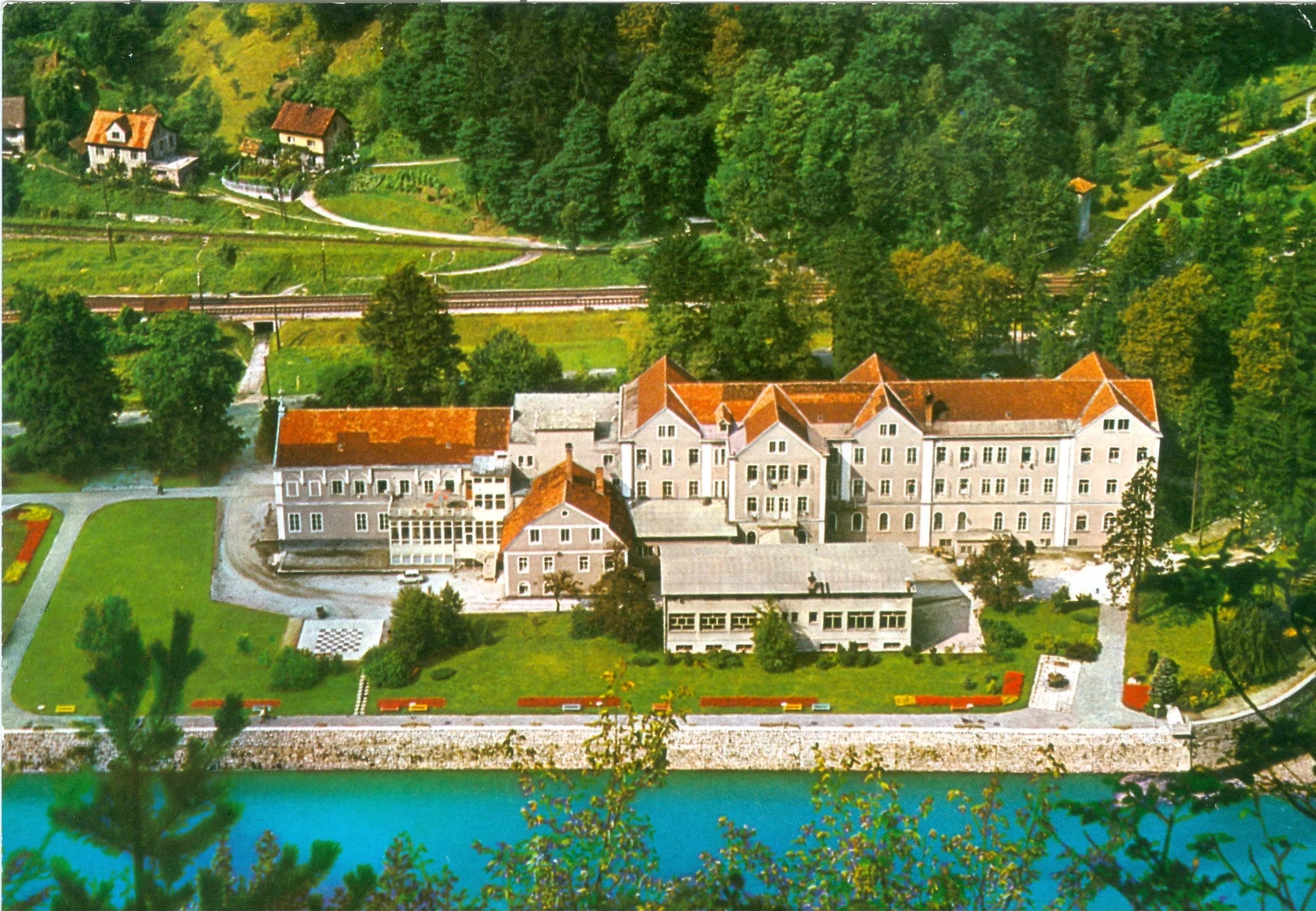
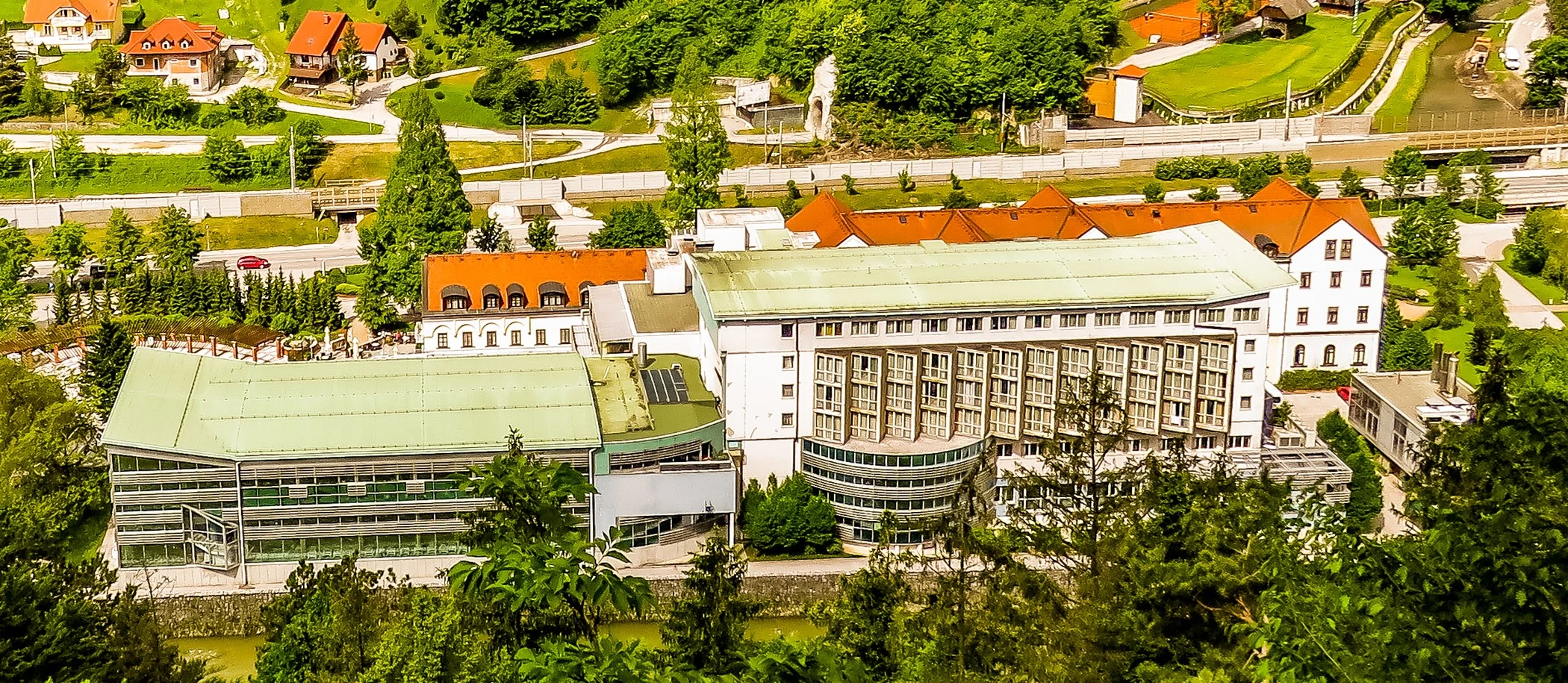
Drag the slider left or right to compare the photographs.
THROUGH TIME
Timeline
PHOTOGRAPHS
Gallery
NEARBY
Recommended
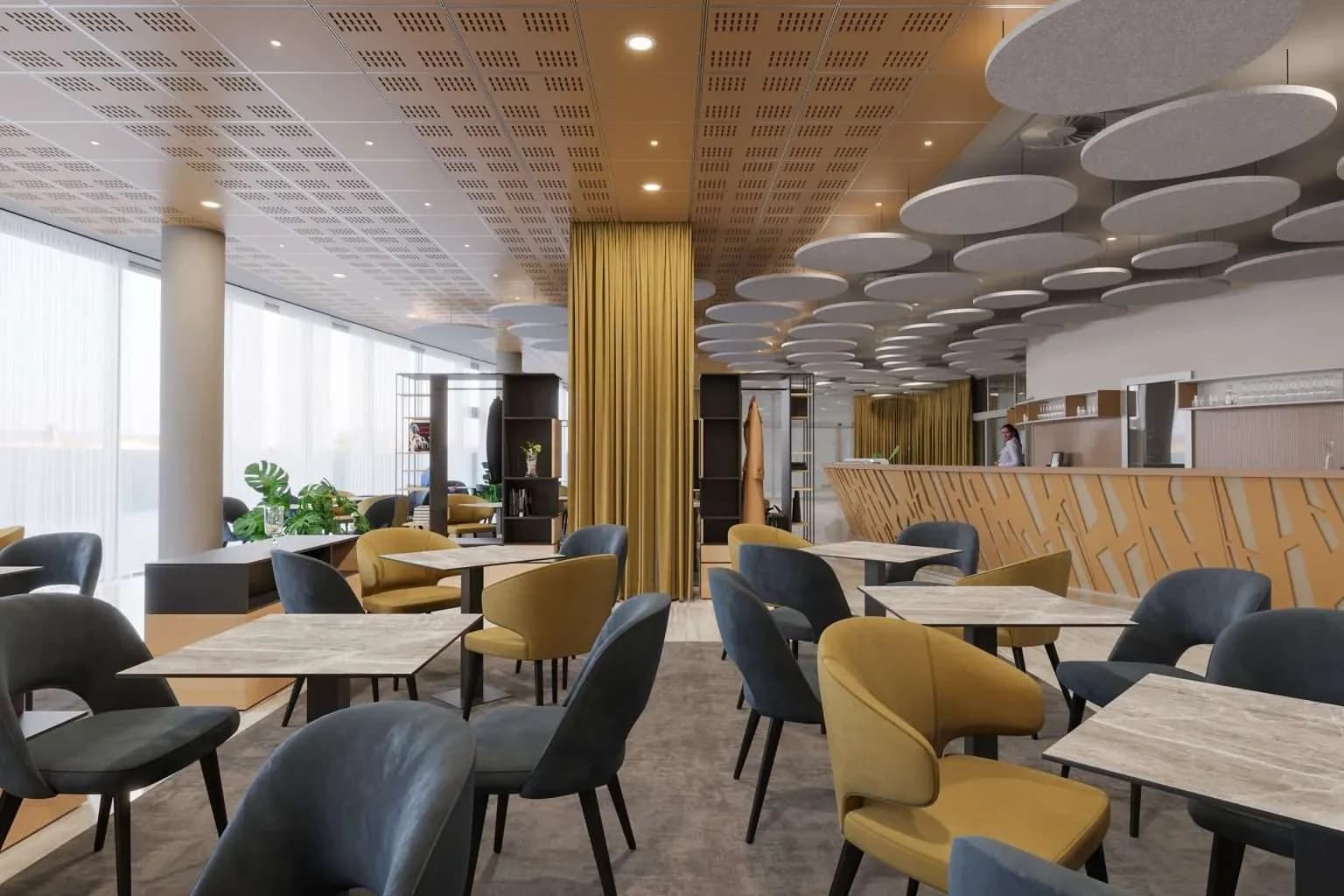
THERMANA PARK – À la carte restaurant and café
Discover the offer of the Thermana Park à la carte restaurant and the excellent creations of our pastry chefs, available to enjoy in our cafés.
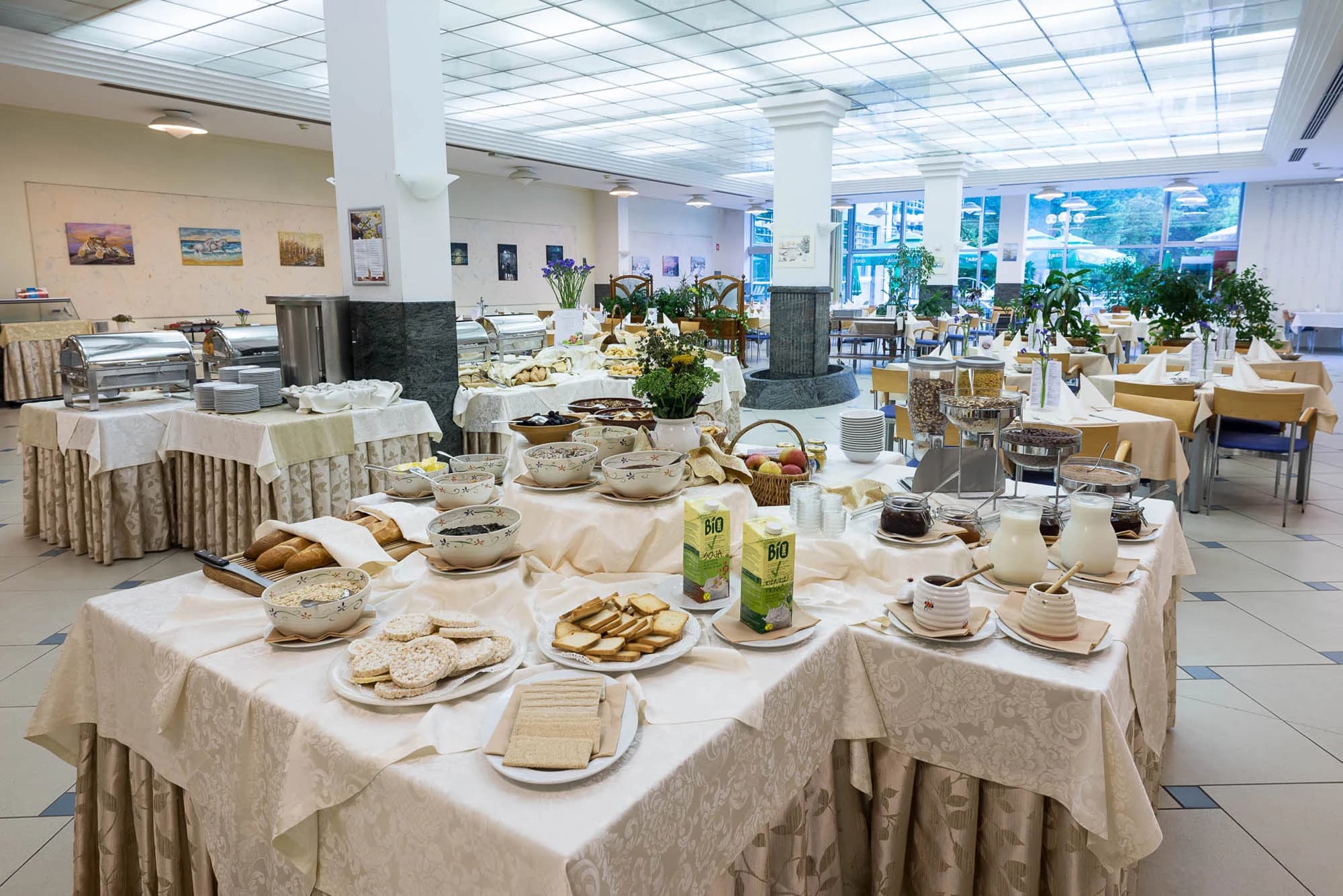
Zdravilišče Laško Restaurant
Guests can choose from seasonal menus, dishes inspired by local cuisine, homemade desserts and drinks with Laško's distinctive signature. Special emphasis is placed on flavours connected with honey, local ingredients and dishes that respect the short journey from producer to plate.