TRUBARJEVA ULICA 28, LAŠKO
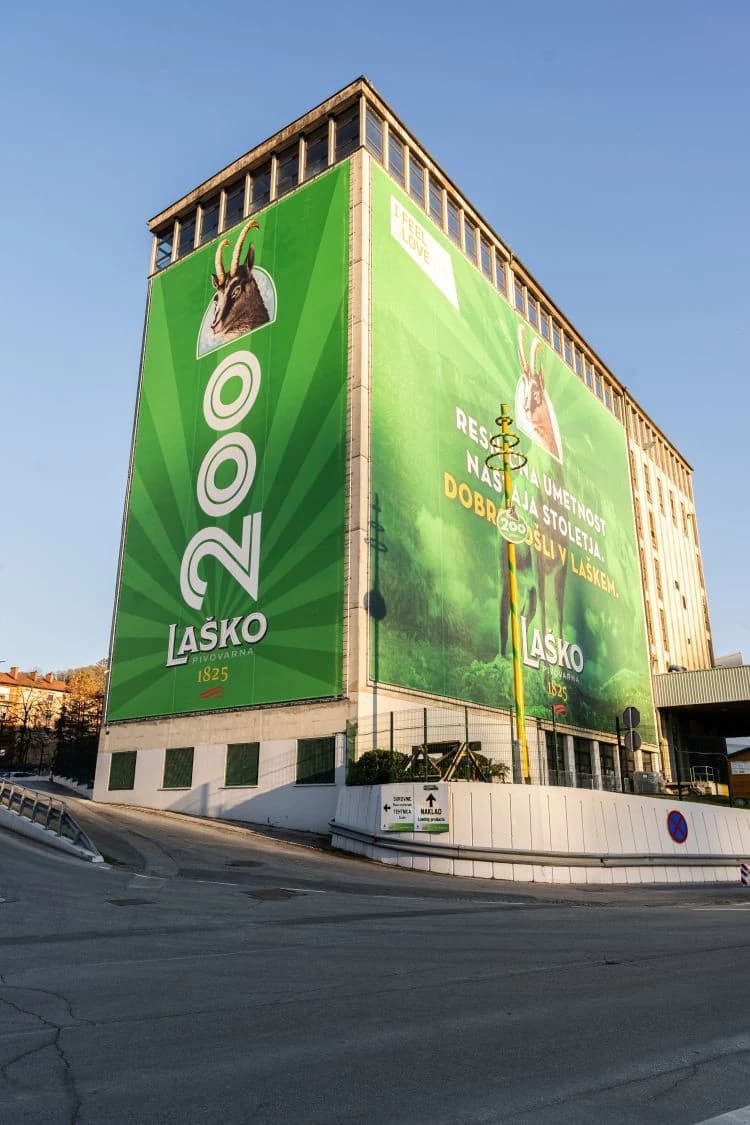
Laško Brewery
More than two centuries of brewing passion and knowledge poured into the legendary taste of proud Laško beer.
LOCATION STORY
Laško Brewery
The story of Laško beer began in 1825, when mead maker and gingerbread craftsman Franz Geyer established the town's first brewery in the former Valvasor Hospital, on the site of today's Hotel Savinja. He brewed so-called stone beer, or Steinbier, and became a pioneer of brewing in Laško.
In 1839 Heinrich August Uhlich took over the brewery and gave Laško beer its first real reputation. As owner of the spa at Rimske Toplice, he served the beer to foreign spa guests and, thanks to his trading connections, also exported it to Trieste. Laško beer travelled surprisingly far — it was reportedly drunk even in Alexandria and Calcutta.
In 1867 Anton Larisch built a new brewery at the foot of St Krištof and Šmihel hills, in the area later occupied by the Volna factory. It was then the largest brewery in Lower Styria. Larisch personally supervised beer quality and increased production, but brewing in Laško soon entered a difficult period.
In 1889 the brewery was taken over by Simon Kukec from Žalec, a brewer, entrepreneur, financier and enthusiastic innovator. He is regarded as one of the most important figures in the history of Laško brewing. Through numerous experiments he identified something that, in his view, distinguished Laško from other breweries: thermal water improved the taste of the beer.
This led to thermal beer, which Kukec brewed in both pale and dark versions, each stronger than ordinary beer. He also knew how to give it a distinctive story — a beer linked with Laško's special feature, its thermal water.
Despite its success, competition was relentless. In the 1920s rival Pivovarna Union secretly acquired most of the shares, and in 1927 the last beer was brewed in Laško. The people of Laško did not give up. After sustained efforts, a new Pivovarna Laško opened in 1938 on the site of today's brewery.
This brewery also faced difficult times. In 1944 Allied bombs aimed at the railway bridge almost completely destroyed it. Production resumed as early as 1946, and the post-war years saw the beginning of the great Zlatorog story; the horned chamois became the brewery's trademark.
Over the following decades the brewery developed rapidly. Production grew from about 50,000 hectolitres in 1950 to more than one million hectolitres a year, making Laško one of the largest brewing centres in the former Yugoslavia.
Slovenia's independence brought a major shock, as the brewery lost an important part of its former Yugoslav market. Nevertheless, it adapted successfully and continued to develop. Laško remained one of Slovenia's most recognisable brands, with Zlatorog as its best-known symbol.
In 2002 Pivovarna Laško took over Pivovarna Union, but several years later the story moved in the opposite direction. Dutch brewer Heineken acquired Pivovarna Laško in 2015, and in 2016 Pivovarna Laško and Pivovarna Union merged into Pivovarna Laško Union. The company is now wholly owned by Heineken, while production in Laško continues.
THROUGH TIME
Timeline
PHOTOGRAPHS
Gallery
NEARBY
Recommended
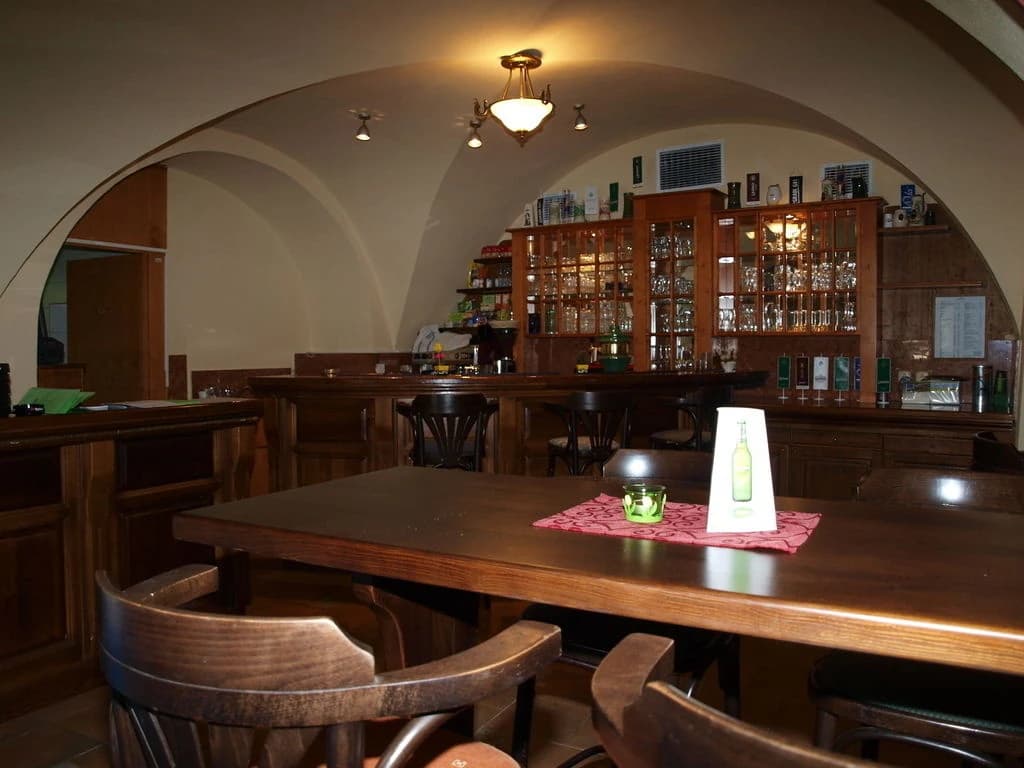
PIVNICA SAVINJA
In the pleasant natural shelter of trees beside the Savinja River, Pivnica Savinja offers an authentic pub atmosphere. Relax over a glass of cold beer or a varied selection of refreshing non-alcoholic drinks, complemented by an excellent culinary offer of tasty dishes and homemade desserts.