
Zdraviliška cesta 6, Laško
Thermal Water
A complete embrace of nature: after a long journey through rock, soothing thermal water rises to the surface.
LOCATION STORY
Thermal Water
An unknown visitor wrote about 150 years ago: ‘The water of Laško is not merely warm. It is comforting. And what is most precious — it feels human.’
Laško's thermal water has a story that begins deep below the surface. As it travels through rock it warms and becomes enriched with naturally dissolved minerals, then rises towards the surface through fractures in Triassic dolomite.
At the spring its temperature is about 32 to 34 °C — very close to the temperature of the human body. This makes contact with the water particularly pleasant: the body adapts easily, muscles relax and bathing brings a characteristic sense of calm and comfort.
Water from a depth of about 160 metres is naturally mineralised and contains mainly potassium, magnesium, sodium, sulphates and chlorides, along with other dissolved minerals. With a total mineral content of about 278 to 295 mg per litre, it is classed as a moderately mineralised thermal water.
It is precisely the combination of natural warmth, mineral composition and a long underground journey that gives Laško thermal water its character. For more than a century it has been closely associated with Laško's spa tradition, while today it remains above all what a visitor experiences first-hand: warmth, relaxation and pleasant contact with water.
Laško thermal water has also been observed in crystalline form. Research by the Bion Institute reported a very high-quality ‘biofield’ of the water. A crystal formed by freezing Laško water displayed complete hexagonal symmetry which, according to the researchers, indicated internal harmony and a high degree of energetic order.
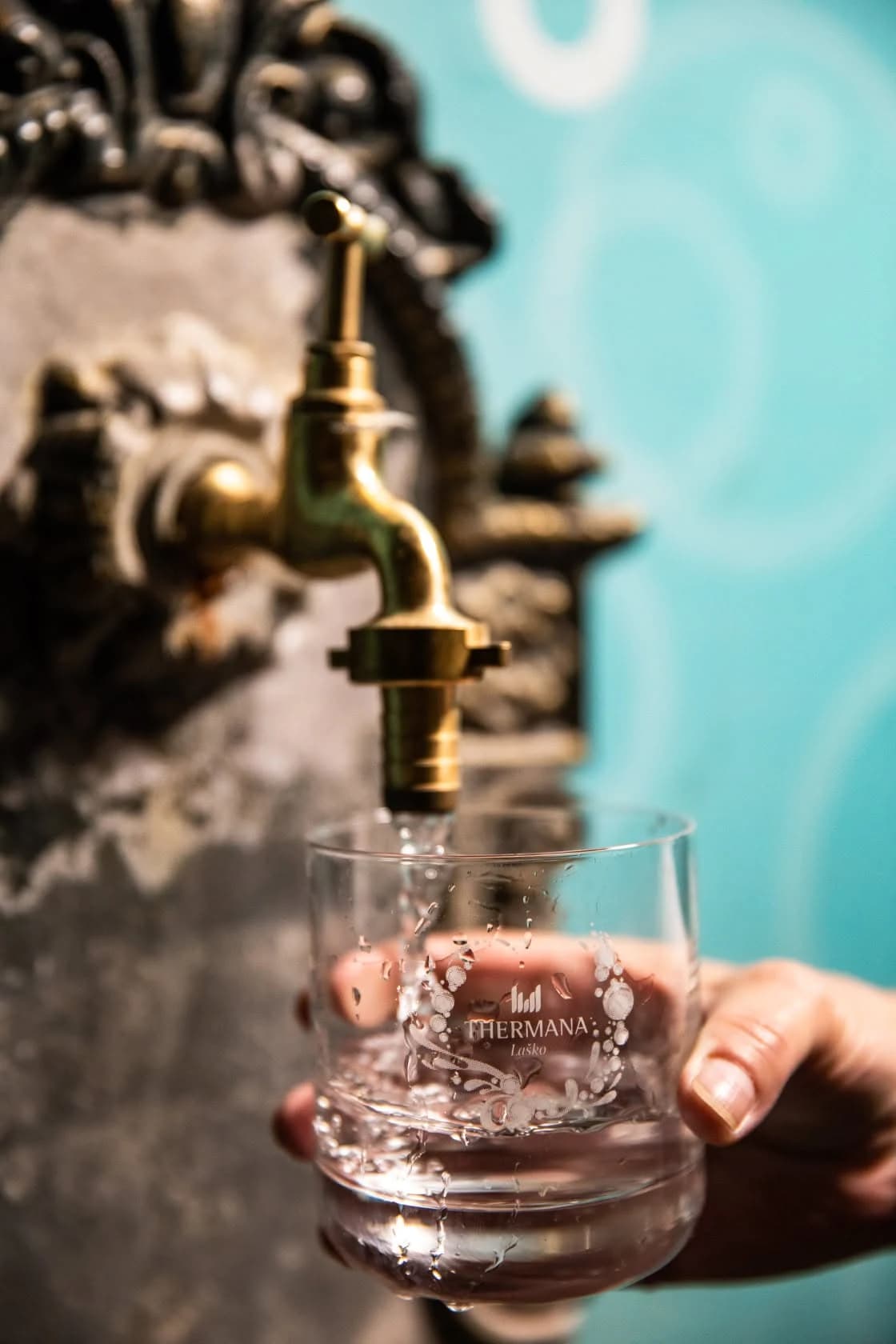
Because of the stated positive and stimulating properties, Laško thermal water is also recommended for drinking. Individuals may drink it according to their own judgement. From an ‘energetic’ perspective, the recommendation given is up to two litres per day.
The quantity should be divided into smaller 200 ml portions throughout the day. The water is to be drunk in small sips and held briefly in the mouth before swallowing.
Thermana has two thermal-water drinking fountains: one in Hotel Zdravilišče Laško beside the café, and another in the passage of Hotel Thermana Park Laško. The water is available free of charge.
THROUGH TIME
Timeline
PHOTOGRAPHS
Gallery
NEARBY
Recommended
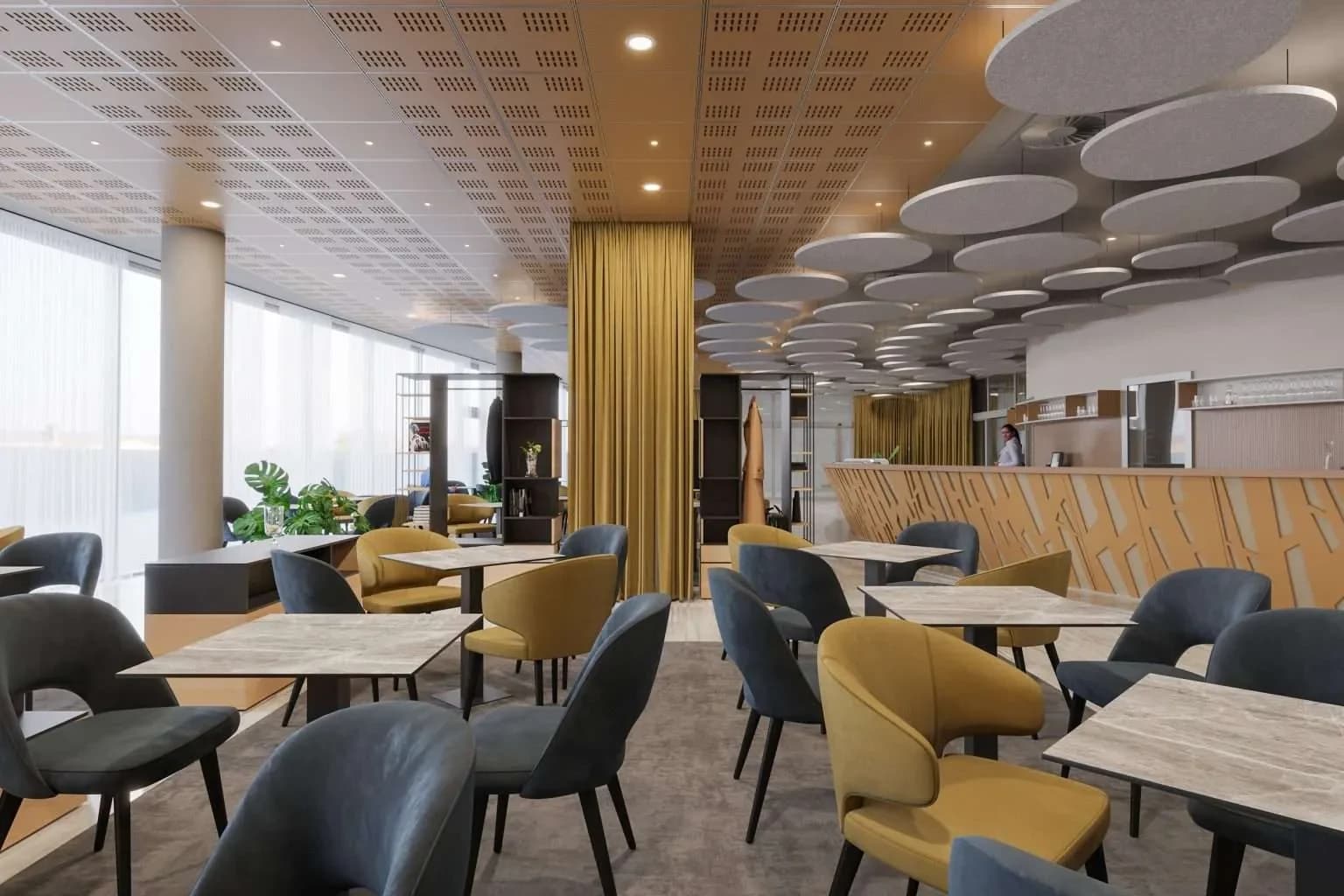
THERMANA PARK — À la carte restaurant and café
Discover the offer of the Thermana Park à la carte restaurant and the excellent creations of our pastry chefs, available to enjoy in our cafés.
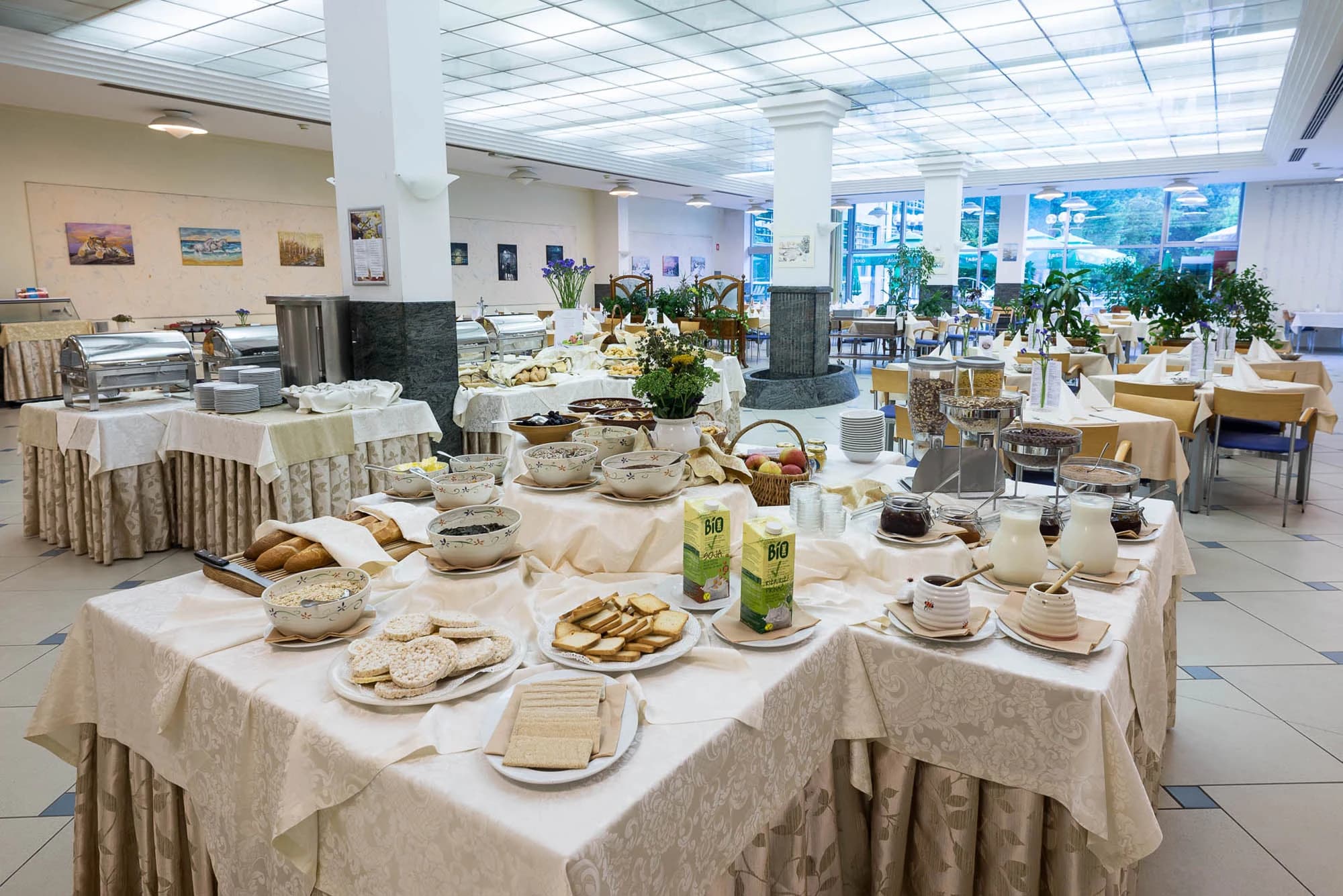
Zdravilišče Laško Restaurant
Guests can choose from seasonal menus, dishes inspired by local cuisine, homemade desserts and drinks with Laško's distinctive signature. Special emphasis is placed on flavours connected with honey, local ingredients and dishes that respect the short journey from producer to plate.